The Cameras Are Already Paid For
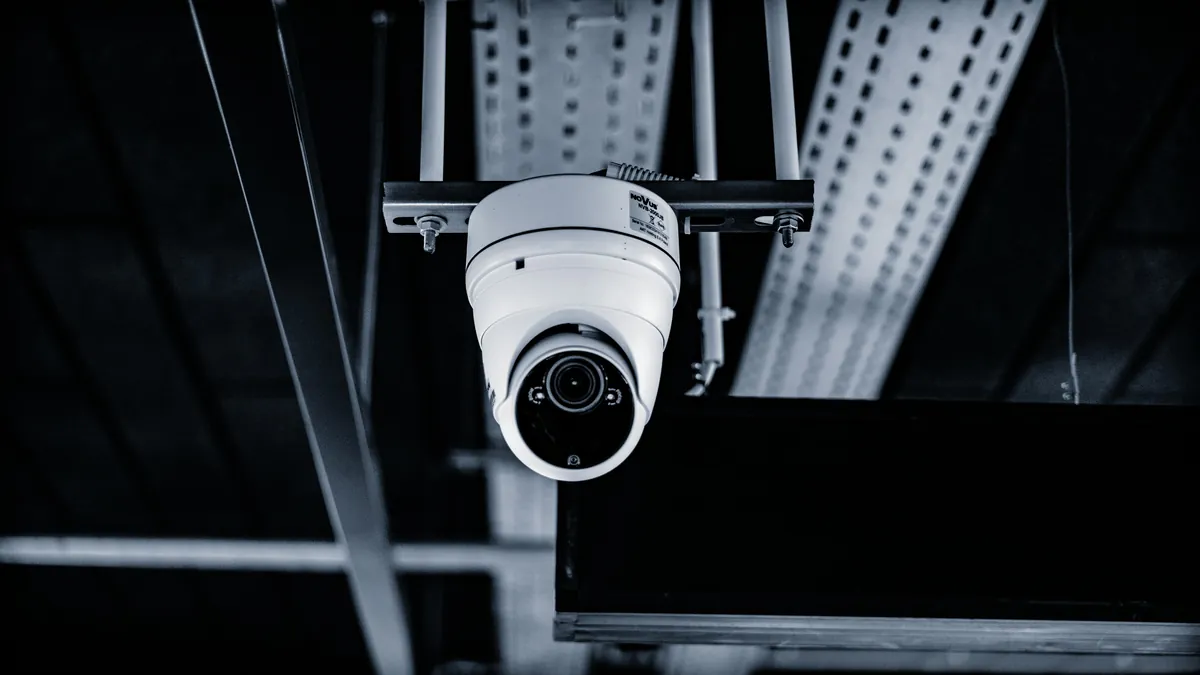
There is a moment in every "AI for your cameras" sales call where the conversation turns from software to hardware. The AI is wonderful, the demo is impressive, and then it turns out the AI only runs on the vendor's own cameras. The quote that arrives a week later is not for software. It is for a rewiring project.
For a store with four to forty cameras on the wall, that is the whole decision. So it is worth being precise about what the cameras you already own can and cannot do.
Your cameras already speak a common language
Security cameras are not a walled garden by nature. They were standardised almost twenty years ago. ONVIF, the industry body founded in 2008, now counts roughly 500 member companies and more than 35,000 conformant products across seven published profiles. If your camera or recorder carries an ONVIF profile, any conforming software can discover it, pull its video stream and read its events, regardless of who made it.
Alongside ONVIF sits RTSP, the streaming protocol that virtually every IP camera and recorder speaks. Look at the datasheet for an entry-level four-channel recorder from one of the big manufacturers and you will find the line in the specifications: it "supports mainstream cameras of ONVIF and RTSP protocols". That sentence is the reason a store does not need new hardware to get new software.
Two practical notes. ONVIF is retiring Profile S, the 2011 streaming profile, in favour of Profile T, but this has "no effect on the operation of deployed Profile S-based systems" - existing gear keeps working, and most devices made in the last several years support both. And if your equipment is from Hikvision or Dahua, the FCC's November 2022 order is narrower than the headlines suggested: it applies to "future authorizations of equipment identified on the Covered List", meaning new equipment authorizations, not the cameras already installed in your store. Those two companies are, for better or worse, the world's two largest security manufacturers, which is why so many small stores have their equipment on the wall.
What replacing it actually costs
A professionally installed PoE camera runs about $100 to $180 each installed, with dome models $130 to $270, and labour making up a few hundred dollars of a typical job. That is the visible number. The recurring one is larger: proprietary cloud camera systems charge a licence per camera, every year, forever. One vendor's own pricing page lists cameras from $399 to $3,299 and adds that "all of our cameras require an ongoing license to operate" at $149 per camera per year - and if you want to keep your existing cameras, you buy their bridge appliance at $2,999 plus a licence per channel anyway.
Run that for a twenty-camera store over five years and the software is not the expensive part of the system. The hardware you were told you had to replace is.
There is also a quieter cost. Cameras on a proprietary platform only work with that platform. When the price rises at renewal - and the pattern in subscription video is that it rises - the cameras do not come with you. Equipment you bought outright and connected over an open protocol does.
The one thing a store does need
Being honest about our own system: it is not literally zero hardware. Something has to sit inside the store, talk to your recorder on the local network, and send out only what is needed. In our case that is a small dedicated Linux computer that stays on all the time. If you already have one, there is no extra cost. If you do not, a ready-to-go box is $199.99 once, plus tax and shipping, and it sets itself up when you plug it in.
That is the entire hardware conversation. No new cameras, no new recorder, nothing changes on the wall, and no cabling. The cameras keep recording to your recorder exactly as they do today; the software reads short segments as they happen, writes down what it sees, and discards the video. The video is not stored in the cloud.
Questions that settle it in one call
Ask the vendor by brand, not by category. "Does it work with my Dahua recorder?" "My Hikvision cameras?" "The Amcrest in the stockroom?" "The DVR in the back office?" Yes or no answers only. Then ask what has to be installed at the store, who installs it, and what it costs once versus every month.
If the answer involves replacing cameras that work, you are not being sold software. You are being sold a capital project with software attached, and the AI is the reason given for the invoice. A camera that has been doing its job for five years on a wall you already own does not owe anyone an upgrade.
Shobdo VideoRAG is an AI agent for the security cameras your store already owns. It writes down what it sees and texts you only when something matters or when you say it so in plain English. Learn more or book a conversation.