Shobdo Blog
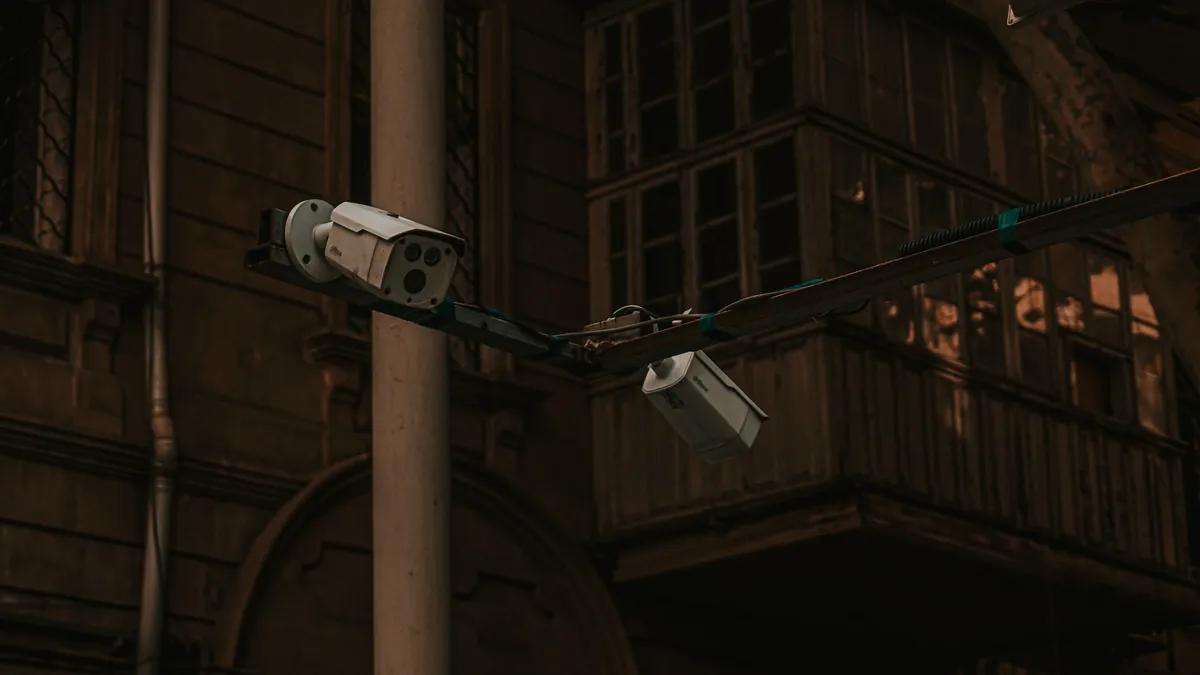
Small Business Video Surveillance: A Plain Guide
Small business video surveillance in five decisions: how many cameras, recorder or cloud, days of storage, staying off the open internet, and who watches.
Spot AI Pricing and Alternatives for Small Stores
Spot AI pricing is by quote, about $99 per camera a month by one installer's estimate. What Spot AI sells, who it fits, and the options for one store.
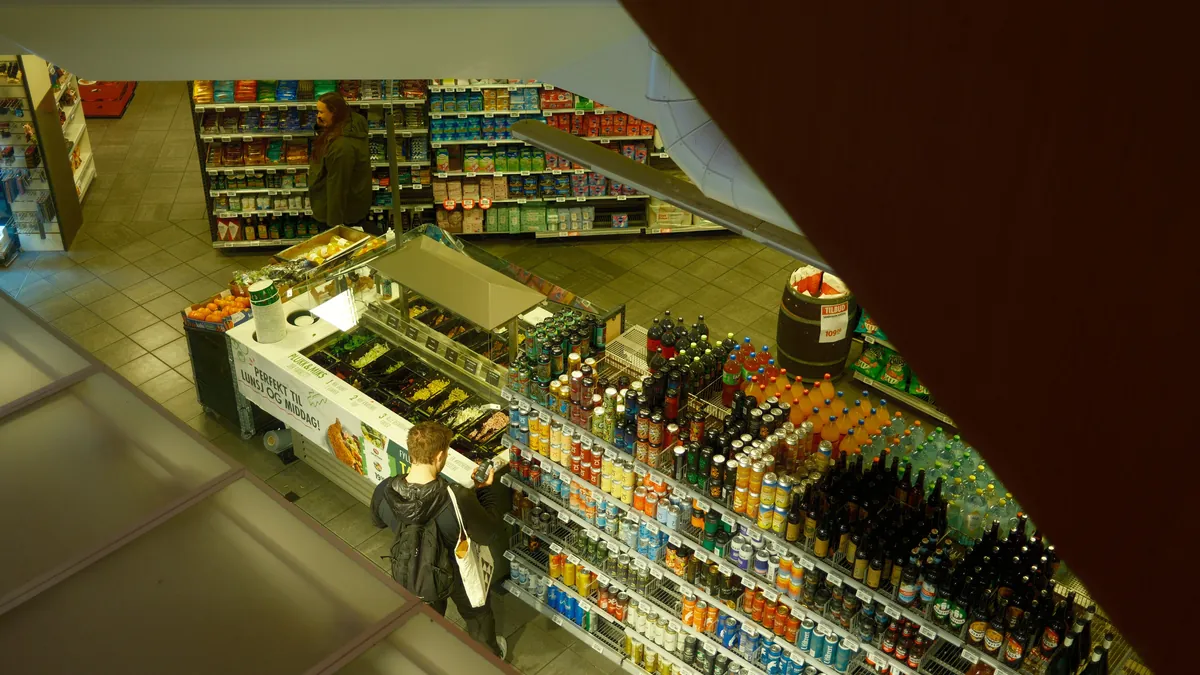
Convenience Store Security Cameras: What to Watch
Where convenience store security cameras should point (register, door, cooler, back door, lot), what the law asks, and which moments are worth a text.
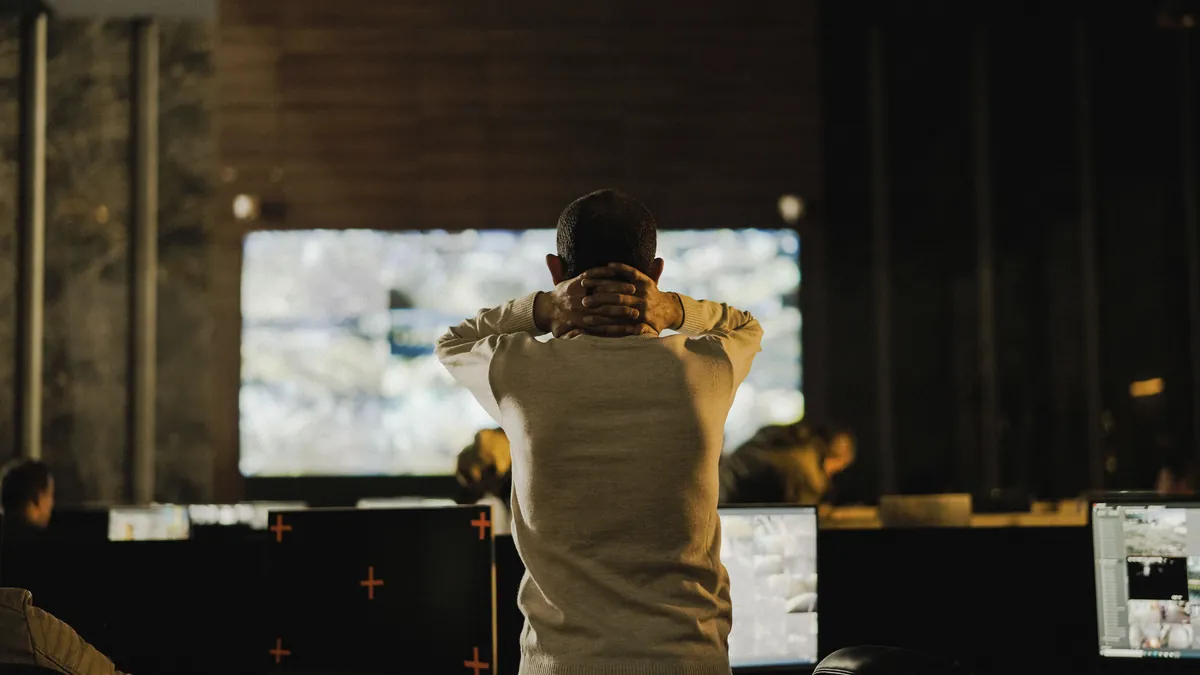
Remote Video Monitoring: What It Costs and Who Watches
What remote video monitoring costs a month, what a night guard costs, and what AI alerts to your own phone do at 2 a.m., with each company's own prices.
Solink Pricing and Alternatives for Small Stores
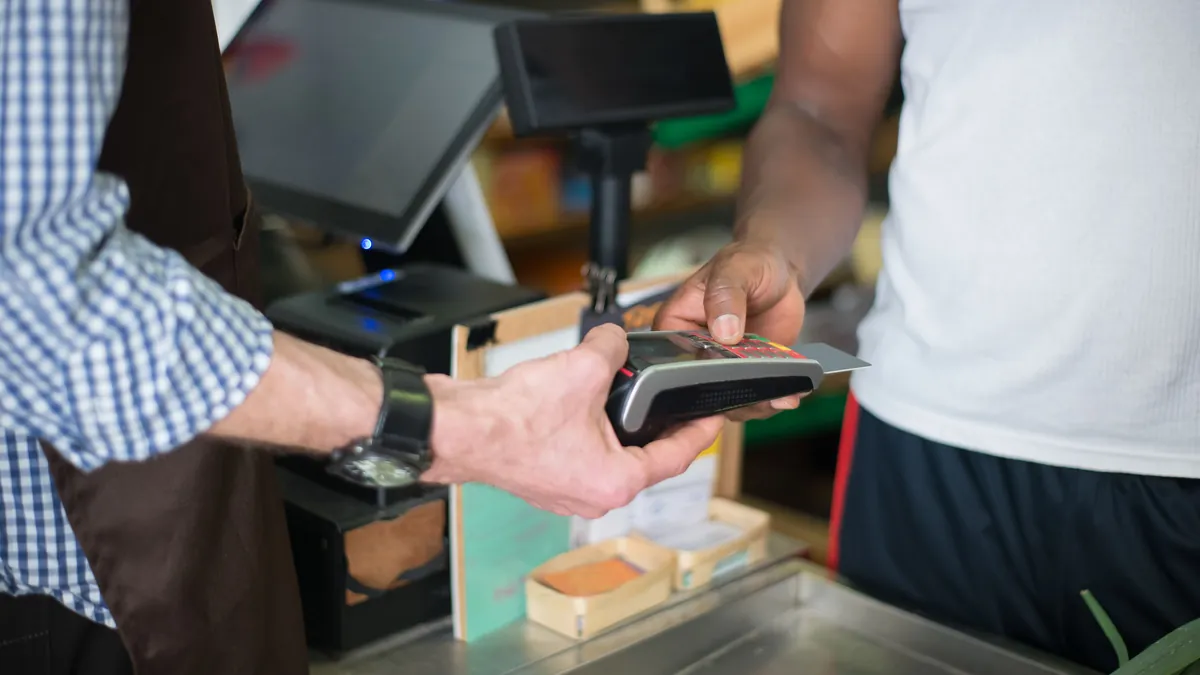
Solink pricing is by quote. What Solink sells, what sets the price, and how Spot AI, Coram, your own recorder and Shobdo compare for one store.
AI Security Cameras: Do You Need to Buy New Ones?
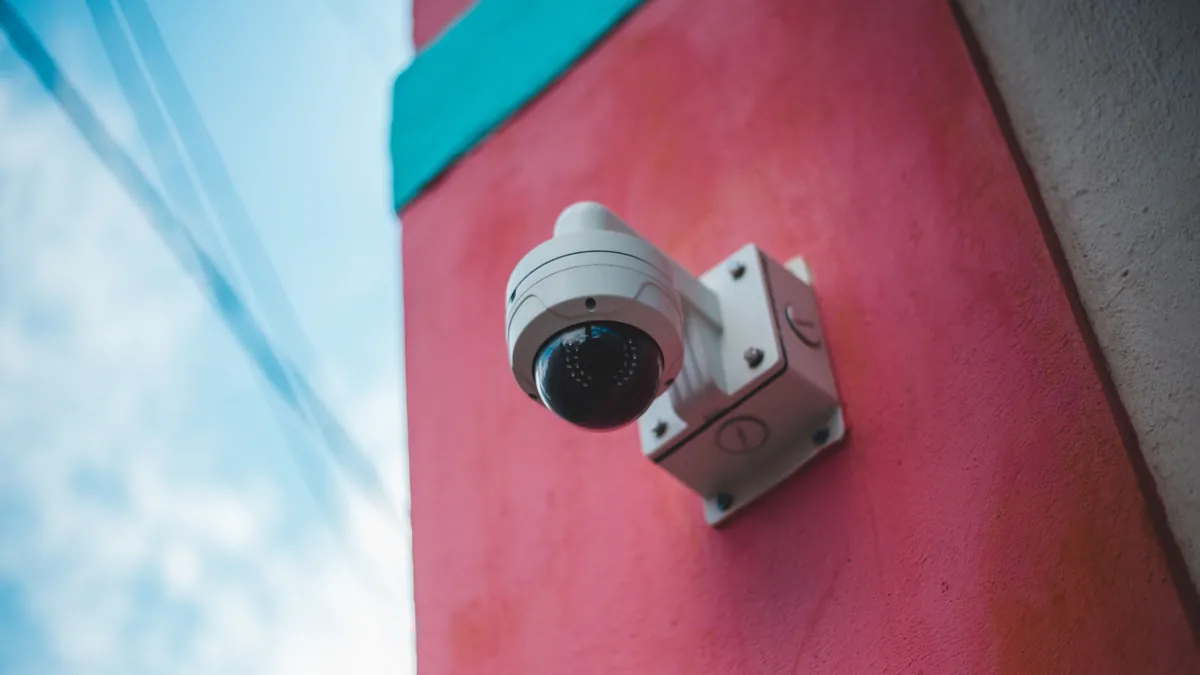
Most stores do not need new AI security cameras. What the AI in a camera really does, what eight new ones cost against software, and when a new one is right.

The Kit and the Bucket
There are two ways to build with Lego. You can buy a kit, or you can dig into a bucket of loose bricks. I think most of the AI industry is buying kits, and somebody else is paying the bill. Here is how we build at Shobdo, and what we have promised.
Seven Questions to Ask Any Camera-AI Vendor Before You Sign
Every camera company now sells AI. The trouble is rarely the technology; it is the ethics. Seven questions to ask in writing before you sign anything, with the answers Shobdo gives to the same list.
The Corner Store Is the Hardest Customer in AI, and That Is the Point
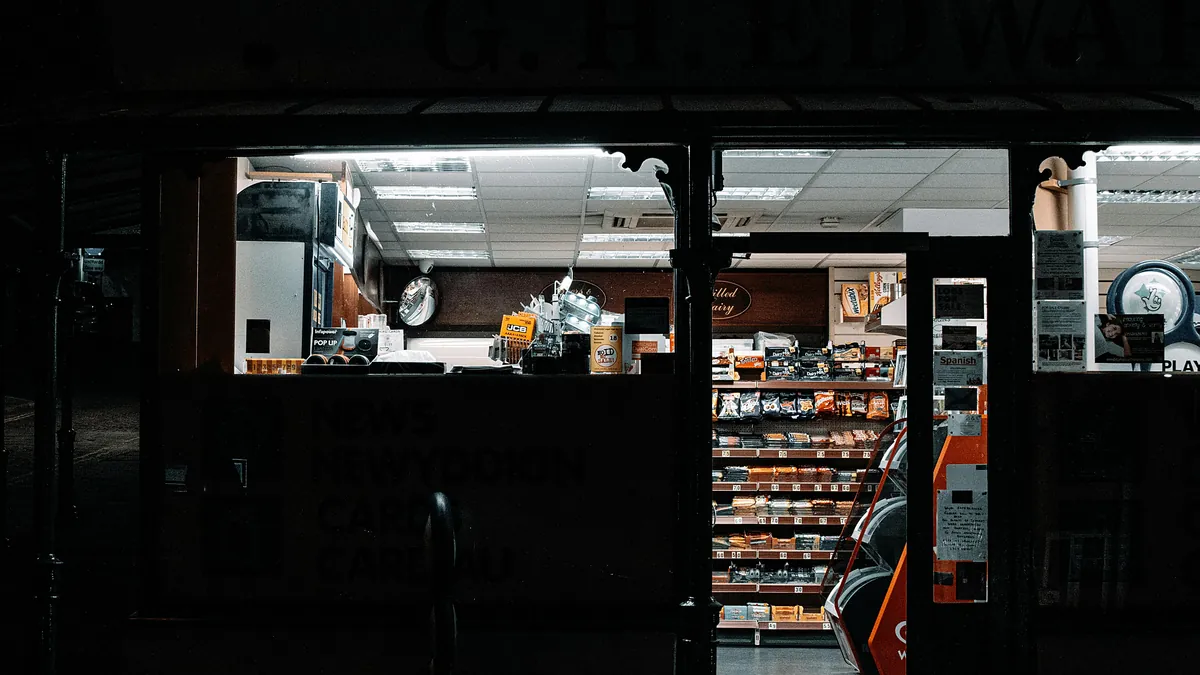
Most American businesses have fewer than five employees and no IT person. The AI industry builds for everyone else. Designing for the corner store forces constraints that make the product better for everybody.
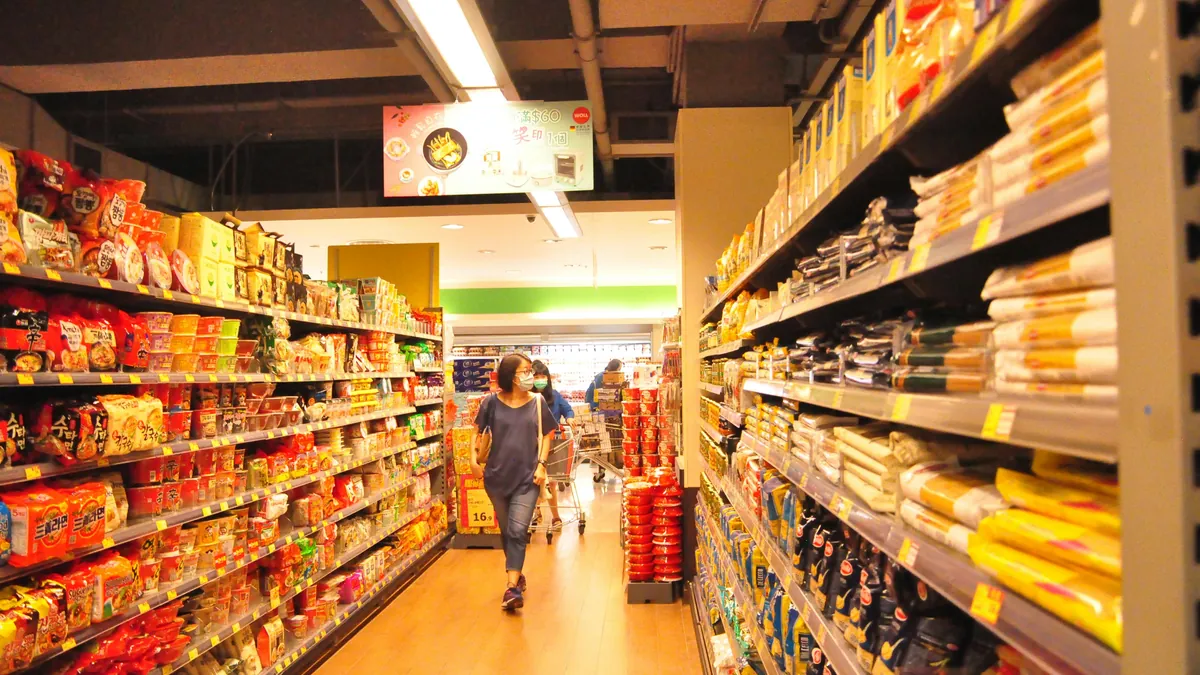
Why AI That Watches Your Store Should Never Recognize Faces
Facial recognition in a store is a legal exposure, it fails unevenly across demographic groups, and it does not answer the questions an owner actually has. Watching behaviour does.
Who Actually Asks for Your Footage, and What They Need
Insurers, police and unemployment hearings all end up asking a store for video. Each of them needs the same two things, in a window that closes in about thirty days.
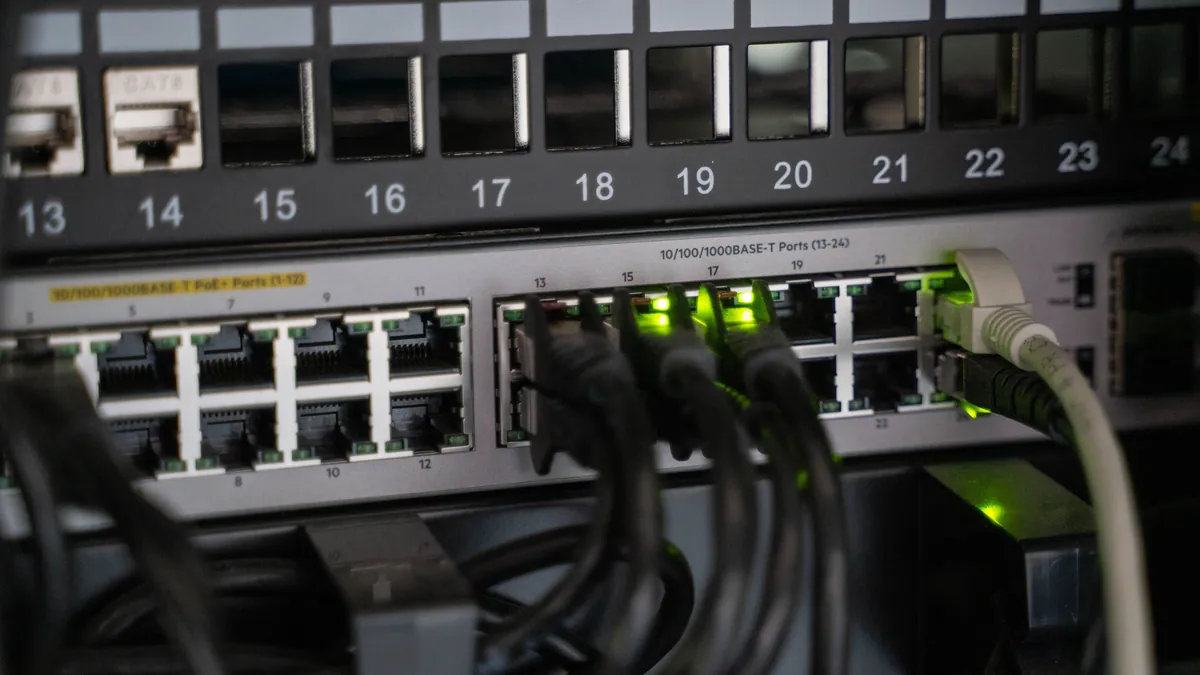
No Open Ports: How a Store's Cameras Can Talk to the Internet Without the Internet Talking Back
Remote viewing usually means opening a door into the store's network. Tens of thousands of cameras are streaming to anyone who looks, and camera DVRs built the botnet that took down half the web. There is a safer shape.
Watch for the Thing You Actually Worry About
Camera analytics offer a fixed menu: person, vehicle, line crossed. The things that actually cost a store money are never on it. Open-vocabulary AI means you can describe your own worry in plain English instead.
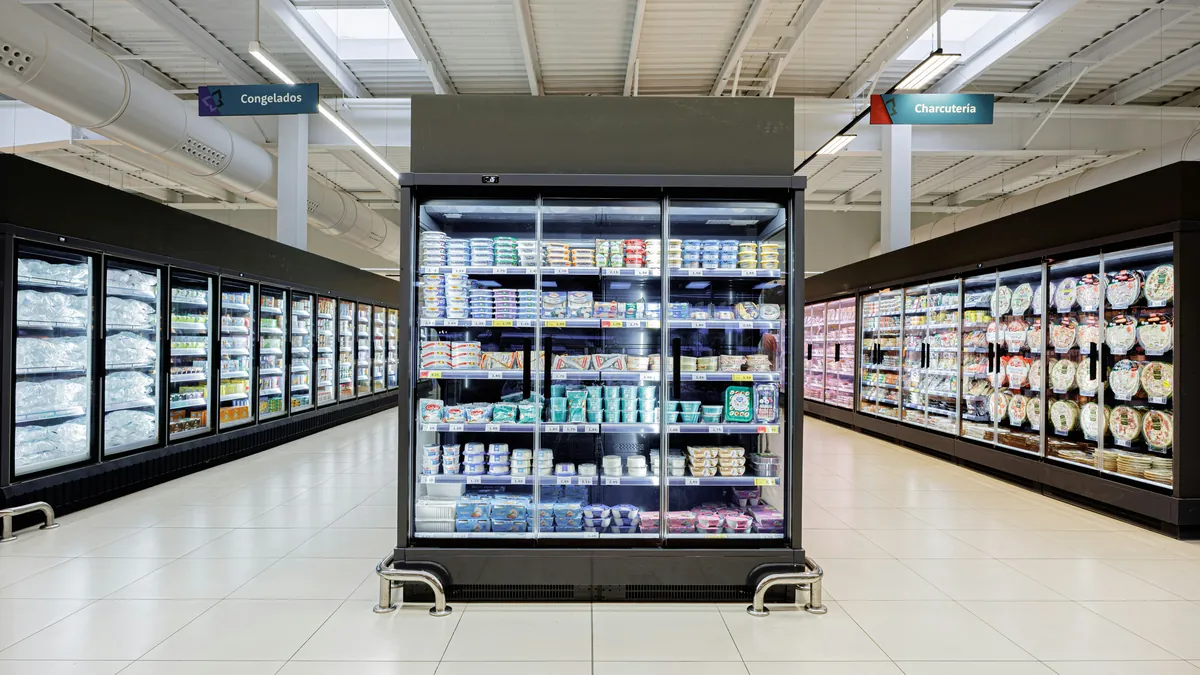
Most of the World Is Uneventful
A store is empty most of the day. Paying an AI to describe nothing is the biggest cost in camera AI. We look only when something changes, on our own hardware, in low-power mode. That cuts both the bill and the electricity.
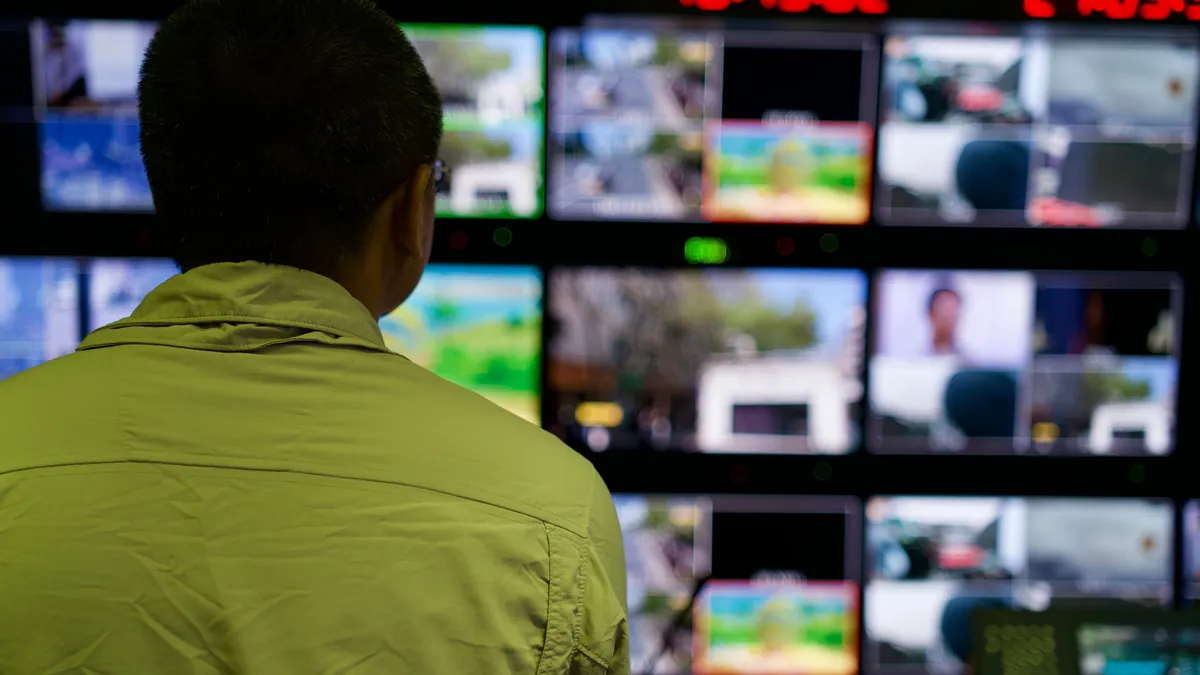
Video In, Text Out: What Changes When Footage Becomes Words
A camera produces hours nobody will watch. The same day written down as plain English is searchable in seconds, fits in a text message, and is what an insurer or a police report actually needs.
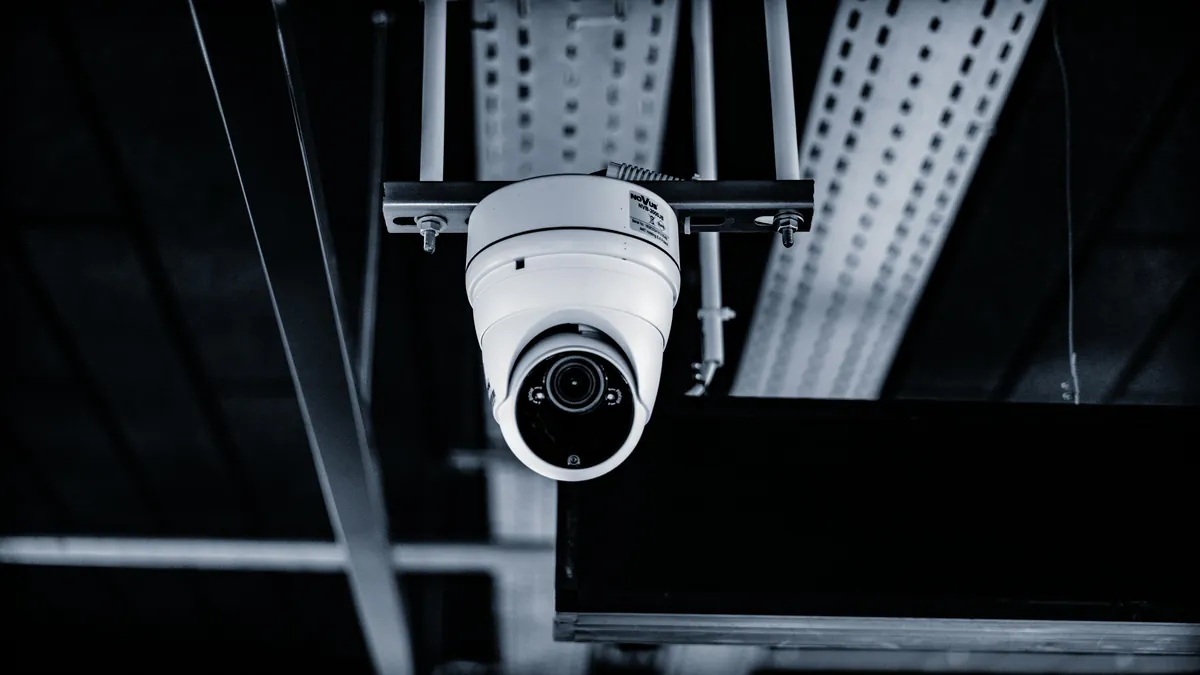
The Cameras Are Already Paid For
Most AI camera pitches start by replacing hardware that works. The cameras and recorder a store already owns speak open protocols, and keeping them is the difference between a monthly bill and a capital project.

Why Motion Alerts Get Turned Off Within a Week
Motion alerts from cameras and alarm systems are wrong almost all of the time, so people stop reading them. The fix is not a better sensor; it is checking an alert before it is sent.

The Retail Loss Prevention Math: Where AI Cameras Actually Change the Equation
AI cameras work better against some kinds of retail shrink than others. The honest math depends on whether your losses come from the sales floor, the back office, or the paperwork, and the answer changes which system you should buy.
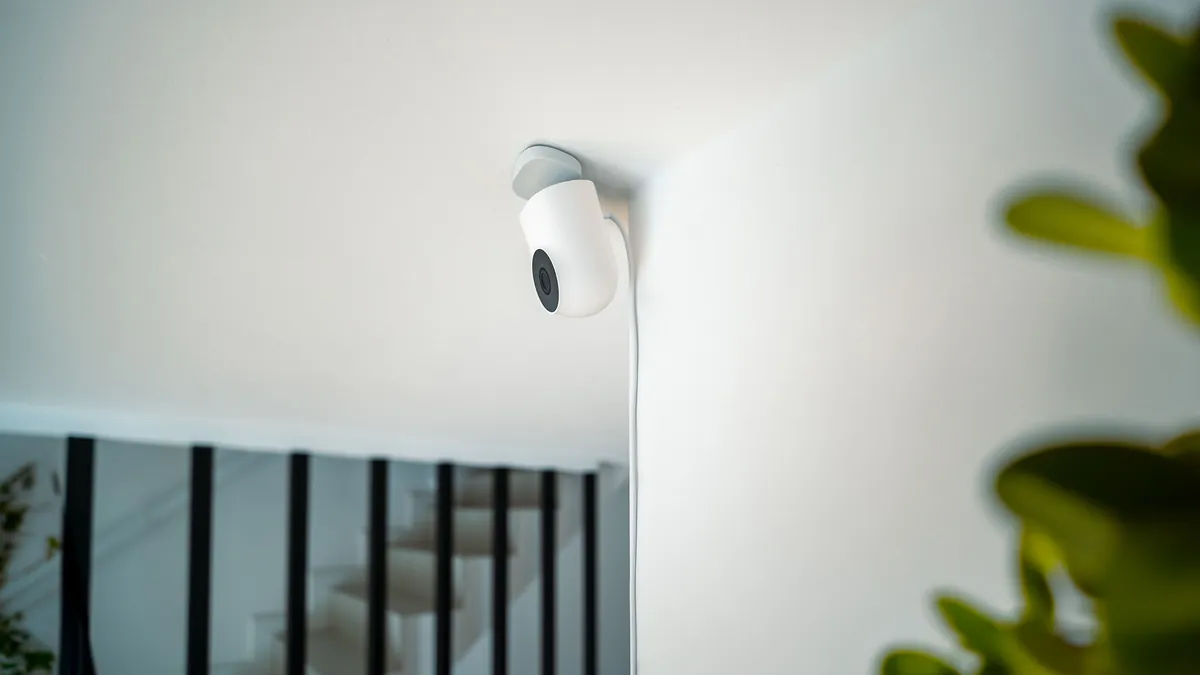
Why Shobdo Never Stores Your Video?
Most video surveillance AI sends your footage to the cloud and keeps it there. We designed Shobdo so that video is not stored in the cloud, and that decision drives everything else about the product.

AI for Everyone: What That Actually Means
Every AI company promises to 'democratize' artificial intelligence. But for billions of people, AI remains inaccessible, unaffordable, or irrelevant. Here is what 'AI for everyone' would actually require.
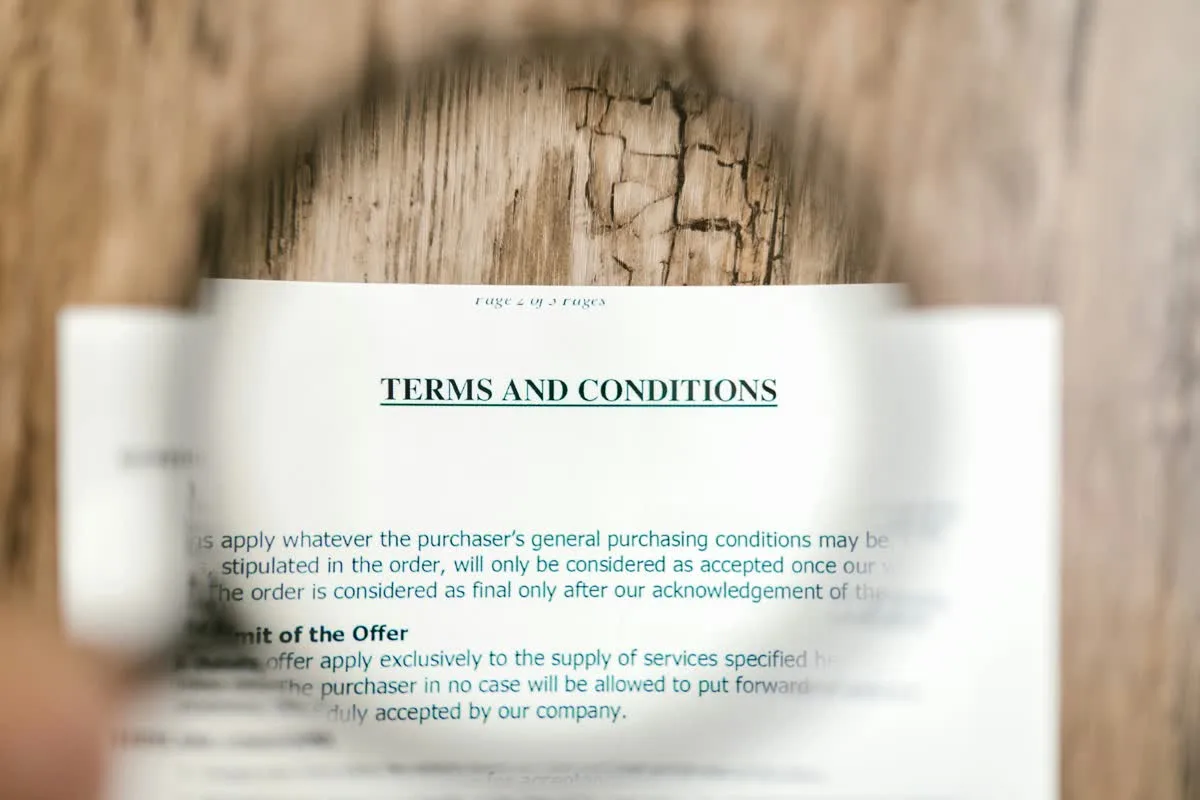
The True Cost of 'Free' AI
The biggest AI tools are free to use. That doesn't mean they're free. Here is what you actually pay.
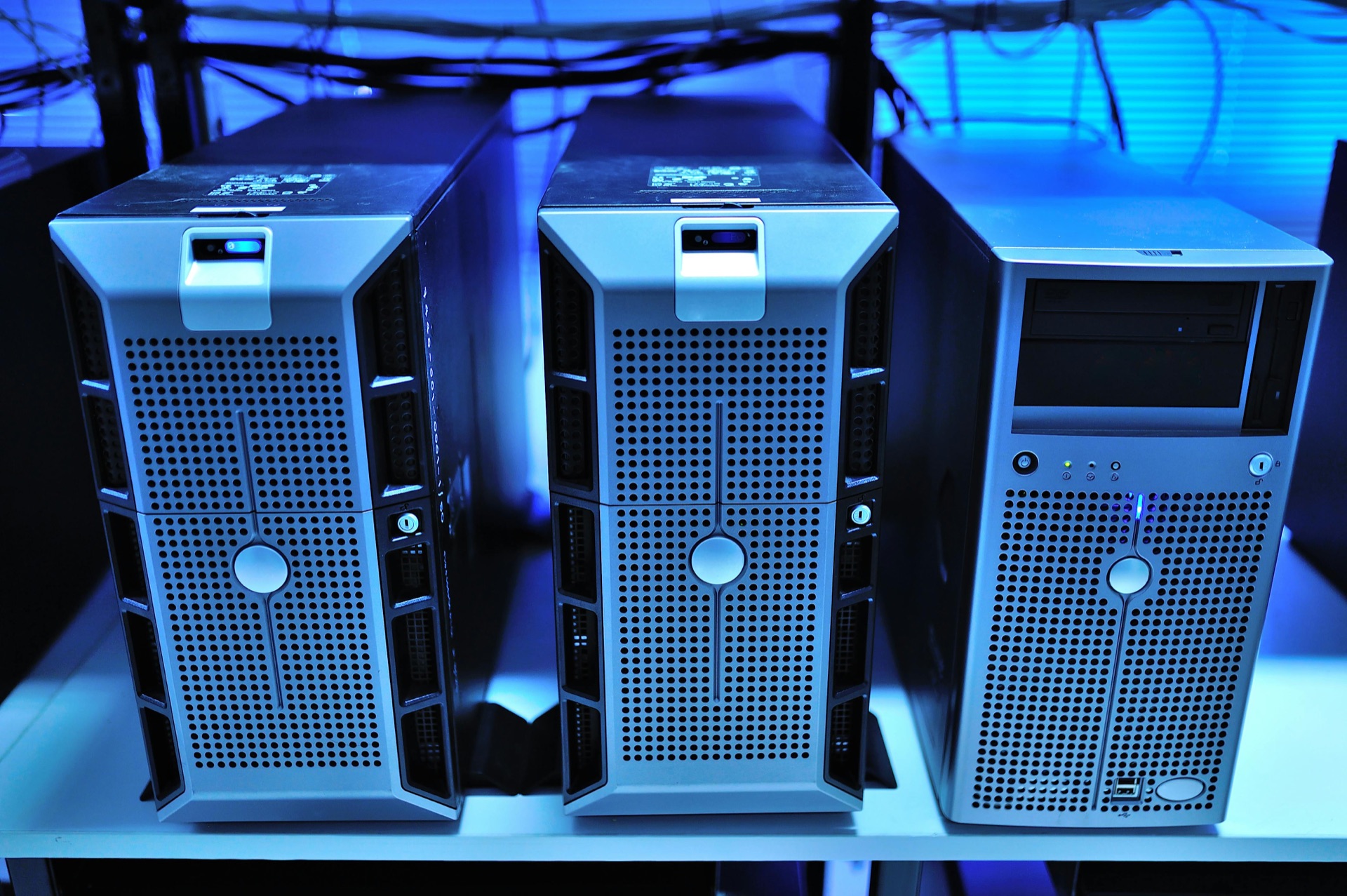
Why Renting AI Doesn't Make Sense for Small and Medium Enterprises
Local AI ownership offers a safer, more sustainable, and sovereign alternative.
No posts match this filter.